Researchers Explore HPV Self-Testing for Bahamian Women
August 2, 2026
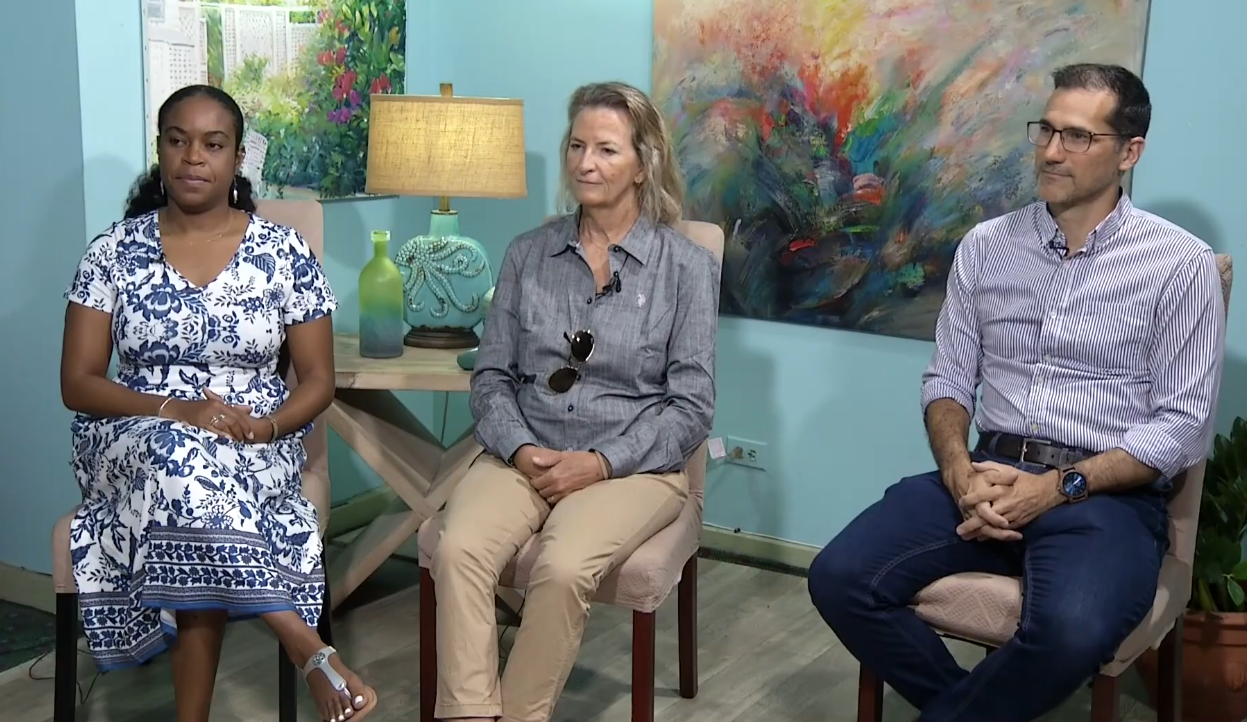
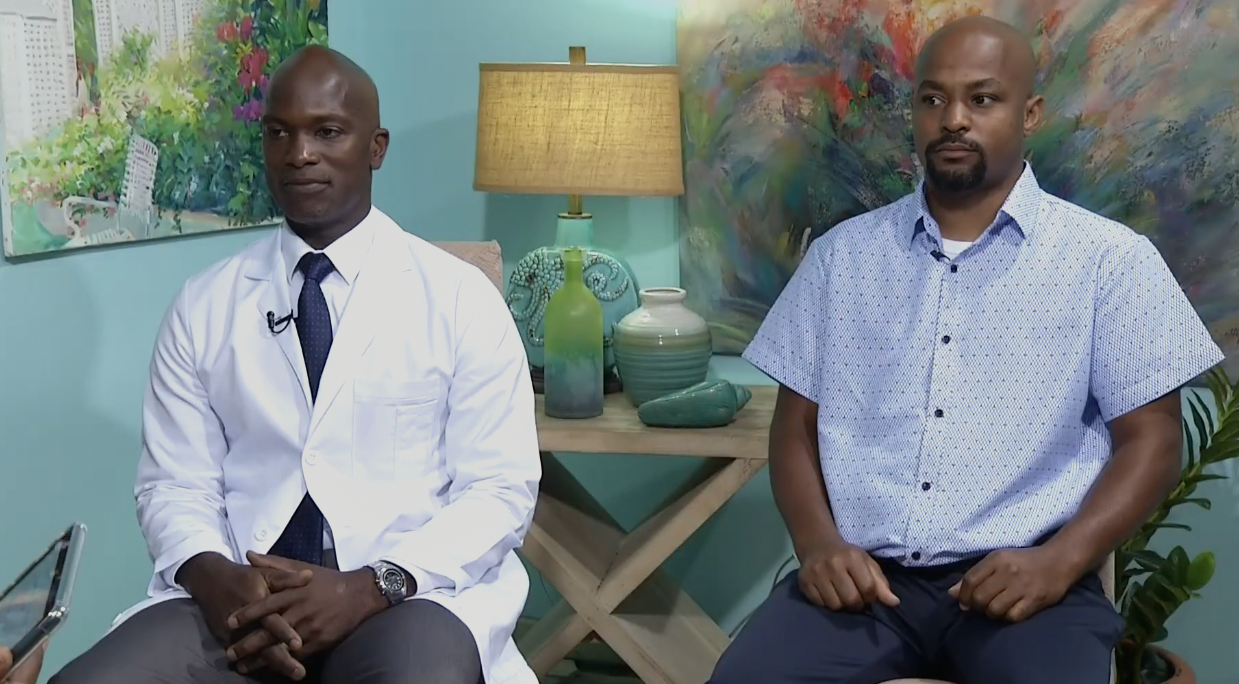
A quiet breakthrough in women’s health may be on the horizon for The Bahamas, and it comes in the form of a simple cotton swab. On Bahamas at Sunrise, Dr. Holiday and Dr. Butler, co-recipients of the Wilson Award, shared groundbreaking research on HPV self-testing that could finally break down the barriers preventing thousands of Bahamian women from getting screened for cervical cancer.
For many, a Pap smear is an inconvenient but routine part of healthcare. However, in an archipelagic nation like The Bahamas, the reality is different. Dr. Butler recalled a sobering statistic from the 1990s: only about 10% of women using government health facilities were getting screened. And even when samples were taken, delays in getting them to the lab often rendered the effort useless.
Cervical cancer is almost entirely preventable, yet the traditional screening model simply wasn’t reaching enough women. That’s where the idea for self-testing was born.
Dr. Holiday described the process: a woman uses a simple, elongated cotton swab – “like a Q-tip” – to collect a sample from the upper vagina. She then places the swab into a collection container. That sample is sent to a lab to test for high-risk types of the human papillomavirus (HPV), the virus responsible for causing almost all cervical cancers.
In their study, women were given an educational pamphlet, shown an instructional video, and then provided with privacy to take their own sample. Afterward, a physician took a traditional Pap smear, and both samples were compared. The goal? To see if women would accept self-testing and if it was as effective as the standard method.
The preliminary findings are encouraging. Before the education session, only about 25% of participants had even heard of HPV. That number alone highlights a massive gap in awareness. After reading the pamphlet and watching the video, however, 70% felt confident performing the test themselves. And after doing it? A full 77% said they would recommend it.
This is critical. As Dr. Holiday explained, to significantly reduce cervical cancer rates, screening coverage needs to be closer to 80–90%. Self-testing offers a path to reach that threshold by removing some of the biggest obstacles: time off work, long travel to clinics, and the discomfort many women feel with traditional pelvic exams.
Both doctors are gynecologic oncologists – specialists who treat cancers of the female reproductive tract. Their passion for this research comes from a deep frustration with seeing a completely preventable disease continue to claim lives. “If we could truncate that process down,” Dr. Butler said, referring to the long chain of events from Pap smear to lab analysis, “we could move ourselves forward to trying to eliminate cervical cancer.”
The vision goes far beyond the clinic. In countries like Canada and Australia, self-testing kits are already being mailed to women’s homes, allowing them to take the test and return it without ever stepping into a doctor’s office. For women on the Family Islands, that could be a lifeline: no boat ride, no hours off work, no long waiting in a busy clinic.
The Wilson Award-winning research is an essential first step – proving that Bahamian women are not only capable of self-testing but willing to embrace it. Now, the challenge lies in building the infrastructure, increasing public education, and weaving this innovation into the national healthcare system. The message from the doctors is clear: a preventable disease demands a prevention strategy that works for everyone, and this research is serving as the first step.